

Author: Cumbria Community Foundation
Reducing the fear of the Cumbrian winter
Older people across Cumbria are worried about the winter ahead with many unable to afford to heat their homes.
Andrew Purvis, 72, said: “I worry about using electricity. The price of it is scary.”
Many older Cumbrians are forced to choose between heating and eating during winter and this year will be extra tough due to continuing high energy and food costs.
Every year between 300 and 500 older people in Cumbria die because of problems related to not being able to heat their homes.
But local people have a chance to help as the county’s Winter Warmth Appeal launched earlier this month with the aim of raising £500,000.
Money donated by the public and businesses is given to vulnerable older Cumbrians so they can afford to turn their heating on.
Jenny Benson, Director of Programmes and Partnerships at Cumbria Community Foundation, the charity which runs the annual appeal, says donations are even more crucial this year.
“We are being told by our partners at Age UK just how desperate a situation it is for people who are being forced to choose whether they eat or heat their homes,” she said.
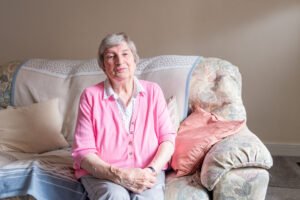
Carolyn Singleton, 79, from Newtown in Carlisle said: “If I didn’t have the Winter Warmth grant, I wouldn’t be able to turn the heating on.”
Andrew Purvis, 72, who lives near Aspatria, said: “You are forever thinking, can I do that? Should I put the heating on? I’m careful about baths and showers, because of the cost of heating the water. Food has all gone up as well. You have to balance one against the other – heat and food.”
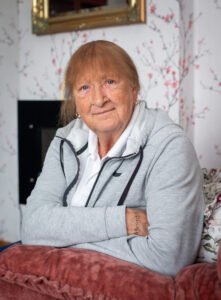
Mary Morsby is 69 and lives on Walney Island in Barrow in Furness. She says the Winter Warmth grant is a “life saver.”
“If I can’t keep the house warm, or warmish, then I get bad coughing fits and my chest gets tight,” she says.
“I have an electric fire, but I don’t use it because it is too dear. To be truthful sometimes it is warmer outside than it is in.”
Mary said the Winter Warmth grant made a huge difference last winter.
“It helped me to put money on the gas and electric and get warmer. I was able to get a few bits of shopping. I had cut back on food, and things like washing powder and toiletries.
“Every time you shop stuff has gone up. It’s hard work trying to juggle stuff in the winter. You have got to eat and keep warm. The money was like a godsend really. It’s a life saver.”
Cumbria Community Foundation, which is based at Dovenby near Cockermouth, has run the appeal every year since 2010 raising almost £2.5m.
Last year Cumbrian individuals and businesses donated a record £661,908 to the Winter Warmth Appeal. This was used to make 2,413 grants, helping 3,223 older Cumbrians keep warm.
This year the situation is likely to be worse due to the continued energy crisis and the impact it is having on fuel bills this winter. It comes at a time when food prices and other household costs are also going up, leaving the vulnerable on low incomes in our county under more pressure than ever before.
Donations to the Winter Warmth Appeal made between 9am on November 13 and 5pm December 11 will be doubled thanks to the generosity of match funding champions: WCF Ltd, John Laing Charitable Trust, Cumberland Council, Nuclear Waste Services, Hadfield Trust, Rural Getaways Ltd, Furness Building Society, Lake District Estates, holidaycottages.co.uk, Roselands Trust, the Johnson Fund, Brian and Ann Clark Fund, Harvey Family Fund and private donors.
Jo Ritzema, Managing Director of Brampton-based WCF, which has donated more than £50,000 to appeal since 2018, said: “We put our team and the rural communities in which they live and work at the heart of our business, and take their lead to provide long-standing support to the charities and organisations which are important to them.
“With the impact of the cost-of-living crisis and rising energy bills, it’s never been more important to support those who cannot afford to heat their homes this winter. I would urge anyone who is able to get behind the Winter Warmth campaign and make a real difference to people’s lives in Cumbria.”
You can donate online using this link.
Alternatively, donations can be made by cheque (payable to Cumbria Community Foundation) or phone. To make a phone donation, please ring 01900 825760 between the hours of 9am-5pm.
Over 10,000 people to benefit from local funding in Barrow to tackle loneliness
More than 10,000 Barrovians are being supported by Cumbria Community Foundation into volunteering and opportunities to build social connections thanks to the Government’s Know Your Neighbourhood Fund.
Over £1.1 million has been allocated by Cumbria Community Foundation to create high-quality volunteering opportunities and support for people experiencing, or at risk of loneliness in Barrow.
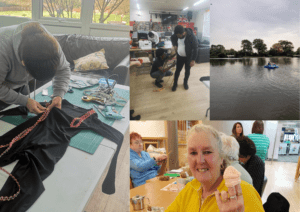 Furness for You is an exciting new partnership of community-led activities which aims to improve wellbeing and increase social connection to reduce loneliness. The partnership received £960,831 to offer a varied programme, from creative activities to group events and one-to-one support as well as volunteering opportunities.
Led by Groundwork NE & Cumbria, partners include Age UK Barrow, Brathay Trust, Barrow Leisure Centre, Barrow & District Disability Association, Cumbria CVS, Furness Multicultural Forum, the Poverty Truth Commission, StitchAbility and Women’s Community Matters. By working together, there will be no wrong door for anyone seeking support.
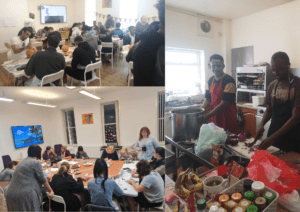 Groundwork North East & Cumbria representative Craig Drummond, said: “We are delighted that the money has been released for this crucial programme. Loneliness and isolation are devastating and sadly impact many people in the community. As a partnership we will build confidence and be a first step for many people to access an umbrella of services under one name, Furness for You, to ensure people receive the right support at the right time for their mental and physical wellbeing.”
A further grant of £210,502 was awarded to Cumbria Wildlife Trust to deliver The Bay, a nature and wellbeing project helping local residents combat loneliness and isolation by connecting with the outdoors. The Bay supports communities not only in Barrow but also in Wyre and Morecambe in Lancashire. Small group wellbeing sessions are at the core of provision, but it also offers a range of larger community events to engage with a wide range of people and connect into the Furness for You partnership.
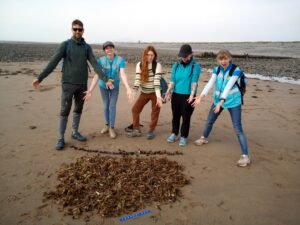
Yolanda Aze, Community Engagement Officer for The Bay said: “We’re hugely grateful to Cumbria Community Foundation for their support with this important work. Reconnecting with nature can have a really positive impact on people’s wellbeing. Taking time to enjoy the sights, sounds and smells of the seaside, together, is a well-known method of helping combat depression, anxiety and other mental health issues. By helping people to immerse themselves in outdoor activities, such as guided walks, rock pooling, beach cleans and art, our project is benefitting the communities of Barrow, while also helping to support and alleviate some of the stresses on our NHS and also enable people to take action to help nature. Thanks to Cumbria Community Foundation, we’ll be able to continue providing this support for people in Barrow who may benefit from it.”
Since The Bay started in September 2021, over 5,600 people in Barrow have engaged with the programme and 242 people have been referred to The Bay’s nature and wellbeing sessions in Barrow. The programme as a whole has proved very popular, with nearly 13,000 people across all three areas (Barrow, Fylde and Morecambe) getting involved, and a total of 576 people have been referred to nature and wellbeing sessions.
Cumbria Community Foundation, along with eight other accredited community foundations from the UKCF network have previously supported a range of projects aimed at tackling loneliness and increasing volunteering during the first phase of the programme.
Annalee Holliday, Head of Grants Practice & Programmes, said: “Barrow is a vibrant and growing town with lots of great volunteering networks and community activities on offer. The Know Your Neighbourhood Fund is a chance to build on that success, share learning, work in partnership, and really make a difference in people’s lives.
“The fund has given a wide range of organisations the opportunity to reach more people and boost volunteering, strengthen the great communities in the town and improve wellbeing for everyone.”
Recent research has found that those living in the most deprived areas are more likely to report feeling lonely, as well as being less likely to volunteer. Research has also shown that loneliness is closely linked with mental health and wellbeing, and that certain types of volunteering opportunities can help connect communities and help people develop skills and grow their networks.
Civil Society Minister, Stuart Andrew, said: “Loneliness is something anyone can experience, at any time. We know that volunteering can help people connect, as well as improving mental wellbeing and helping people develop new skills.
“This funding will mean those in some of the most disadvantaged areas across the country are able to volunteer in an area that interests them. From arts groups to skills development workshops, there are thousands of ways for people to get involved, meet new people and try new things.”
Transforming lives in West Cumbria
The Transforming West Cumbria (TWC) programme, aimed at improving the lives of West Cumbrians, has already made a positive difference to hundreds of organisations and thousands of people, a new report shows.
Transforming West Cumbria, funded through the Sellafield Ltd social impact, multiplied (SiX) programme and delivered by Cumbria Community Foundation, focusses on addressing the area’s most entrenched social issues and inequalities.
It was created in response to a study commissioned by Sellafield Ltd in 2019, which highlighted persistent social problems including 3,900 children living in poverty, one-in-seven households with an income below £10,000 a year and more children in care than in any other part of the county.
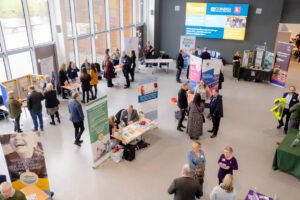 Sellafield Ltd and Cumbria Community Foundation launched the TWC mid-term report – which details the positive impacts the programme is having – at a showcase event at Energus in Workington last week.
From building the resilience and capability of community organisations, inspiring social enterprise, and nurturing young entrepreneurs to improving family wellbeing, addressing financial hardship, and increasing mental health provision, the £6.5 million multi-year programme works collaboratively across multiple sectors and drives a partnership approach to delivery.
Many of the charities and groups supported under the programme attended the event to tell people about their work in West Cumbria including Together We, CADAS, Phoenix Enterprise Centre and the Howgill Family Centre.
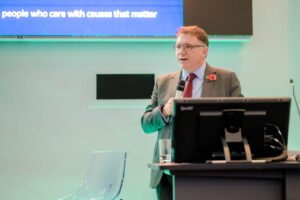
Sellafield Chief Executive Euan Hutton took time to meet with many of them and told the conference: “It has been humbling to hear the stories today and meet some of the groups involved in Transforming West Cumbria.
“You are all amazing. Well done to Cumbria Community Foundation and everyone who makes this happen.”
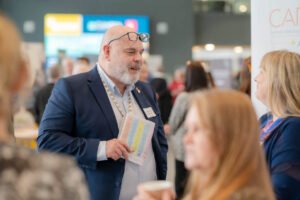 Gary McKeating, Head of Development and Community at Sellafield, opened the event with a passionate introduction to Transforming West Cumbria.
“Trying to address the inequalities that we see in our everyday lives is the thing that puts fire in my belly and drives me on to help develop programmes like Transforming West Cumbria.”
Dr Jenny Benson, Director of Programmes and Partnerships, explained how the huge project had been developed around seven themes to address West Cumbria’s social problems.
“We live in a community that wants to help itself. Community groups want to do great work. Transforming West Cumbria is about harnessing that energy,” she said.
 Keynote speaker, Councillor Emma Williamson, Deputy Leader of Cumberland Council, said the key change was collaboration. “We need to keep investing in these issues and listening to those with a lived experience to find the best way forward.”
The event demonstrated that more can be achieved by working together and that impact can be multiplied through collaboration. But, there is still so much more that can be done…
Businesses and individuals across West Cumbria, and beyond, are encouraged to get involved in Transforming West Cumbria by volunteering as a trustee, director or committee member for a charity or social enterprise, acting as mentors, sharing skills and training, offering in-kind support and providing match funding.
The full report is available here.
To find out more, contact Jenny Benson or Annalee Holliday on 01900 825760.
Call issued for young people to make a difference in their community
Young people with a passion for where they live are being encouraged to ensure their voice is heard and make a difference to their community.
Cumbria Community Foundation is looking for young people aged 16 to 25 and living in West Cumbria to join the #CanDo Youth Advisory Panel.
#CanDo encourages community organisations to apply for funding of up to £5,000 for community projects, led by young people. The applications are considered by a youth committee, ensuring that decisions are taken by the very people who will benefit for generations to come.
The committee meets regularly to examine and debate applications, and has a say in which projects they feel will make a difference in their communities and should be supported.
Nearly 30 different organisations that work with young people have received funding to carry out projects in their communities, so far.
This is the fourth round of recruitment for the youth advisory committee, which is made up of young people with a wide range of lived experiences and who are from different backgrounds and forms a crucial part of the Foundation’s grant making and helps steer its charitable work in a more youth-led direction.
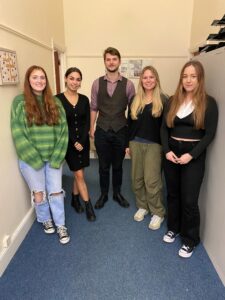
Sophie Crozier, 24 and from Cockermouth, joined the panel about a year ago. She explained: “Being a part of the #CanDo Youth Advisory Committee has been a fantastic opportunity to learn more about the inspiring projects and people in the local communities of West Cumbria.
“I’ve met some remarkable people from doing this, and it’s allowed me to develop skills and knowledge in evaluation. This has been a fantastic initiative to get involved in, in terms of feeling as though you have a say in what’s happening in your community, but also to feel more in tune with what’s happening at a local level.
“I would recommend this experience to anyone who is considering applying, and only wish that I could continue on next year.”
Twenty-four-year-old Thomas Allaker joined last October and says the difference they are making to their communities is vital.
“We meet once every couple of months to review applications for funding for youth projects, and we discuss what we like about a proposal, what doubts we might have, and what adjustments we think should be made before we approve funding, with the aim being to ensure the funding allocated has the best chance of improving young people’s lives,” he said.
“It’s a chance to help support young people in the part of the country where I grew up, especially those who might not have had the opportunities that I had. Hopefully the funding we allocate helps project provide these opportunities to the next generation.
“Anyone thinking about it, go for it!”
Fellow panelist Aimee O’Driscoll, 19, who lives in Whitehaven, added: “It is an amazing opportunity that has been very rewarding for me. I enjoyed learning about all of the beneficial projects that are in the local area that I perhaps wouldn’t have come across otherwise.”
Over the past three years, the youth committee has awarded £123,840 in funding to 27 youth-led projects in West Cumbria, including a recent grant to Whitehaven Sea Cadets to run a nationwide campaign to save the bees. The cadets packed and posted ‘bee bombs’ – native wildflower seedballs – to every unit in the UK, inspiring planting that could result in more than 15,000 square feet of bee-friendly habitats.
Funded by Sellafield Ltd as part of their SiX – Social Impact Multiplied programme, with match funding from Thomas Graham & Sons and local donors, #CanDo is part of Transforming West Cumbria, a multi-year social investment programme developed by Cumbria Community Foundation.
Annalee Holliday, Senior Grants & Programmes Officer at Cumbria Community Foundation, said: “We are very excited to be offering this opportunity again to young people in West Cumbria. The #CanDo Youth Advisory Committee was launched in 2020 and has been very successful. We believe that young people should be heard and have their views valued and acted upon. Young people have enormous potential to make a positive change – their involvement is crucial to the future of our communities. The young people on the panel bring expertise and a fresh pair of eyes to help us decide which projects are funded.”
Applications to join the #CanDo Youth Advisory Committee are open now and will close on Wednesday 10th January 2024. For more information, download the #CanDo Information Pack.
For more information or to apply for a grant from the #CanDo Fund, click here or call the grants team on 01900 825760 or email grants@cumbriafoundation.org
Legacy is still helping the elderly
Laurel House in Brampton is still supporting older people in the community more than half a century after it opened its doors, despite being sold almost 20 years ago.
The property was gifted to the senior citizens of the town in the sixties and was set up by Mrs Mary Cartmell as a warm and welcoming place for the older generation as somewhere to socialise, have a meal and enjoy a variety of activities.

For 40 years the property on Main Street played host to endless hot meals, laughter, companionship and even carpet bowls upstairs until it became too expensive to run. It was sold in 2004 and the proceeds were invested to provide grants to local groups supporting older people in Brampton through The Laurel House Management Committee.
As the committee members themselves were growing older the decision was made to transfer remaining funds to Cumbria Community Foundation (CCF) this year to carry on the legacy.
The Laurel House Brampton Fund has now been set up and continues to operate in the same way honouring Mrs Cartmell’s wishes. Some former committee members remain involved and have been advising on grant applications as well as ensuring CCF continue to support the same groups as part of the transfer.
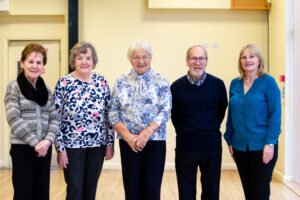
Mrs Maureen Granville who is now in her 80s, has been instrumental to Laurel House’s success throughout its history and has very fond memories.
Mrs Granville said: “Laurel House contacted the WI where I was a member asking for some help cooking lunches. We used to make up to 30 lunches as well as send out meals to elderly people. I have some lovely memories, like on pancake day one year we made up a huge bowl of batter only to discover we didn’t have a frying pan.
“Laurel House brought happiness to many socially isolated elderly people. It was a warm and happy place. Mrs Cartmell would be so pleased to know that the charity is still helping people, it’s a wonderful way to remember her and the memories of cherished times.”
Mrs Granville became a trustee of the Laurel House Management Committee when it formed and served as its secretary, alongside custodian trustee and treasurer James Williamson until it transferred to the Foundation in 2022. Their commitment to ensuring Mrs Cartmell’s legacy lives on has been extraordinary.
Cumbria Community Foundation began receiving applications to the Laurel House Brampton Fund earlier this year and has been giving out grants to volunteer groups that work with older people and charitable not-for-profit organisations that support people over the age of 60 in Brampton.
Ellen Clements, senior grants and donor services officer at the Foundation said: “All five applicants that we have so far awarded have received previous funding from the Laurel House Management Committee. I have been working closely with the previous Trustees to ensure that the funding goes to the groups that are a priority for the fund and they are happy to support.”
Brampton Bus Buddies, which was set up in 2014 is one of the groups that have been awarded funding by the Laurel House Brampton Fund.
Harry Urwin Simpson, treasurer, said: “We help people overcome isolation and enjoy the company of other people. For some it’s about getting their independence back after losing their driving licence due to ill health. For others, it’s simply about having a friend to travel with. This generous grant will allow us to treat our members to a meal out on one of our outings especially in this current climate.”
Tim Cartmell is a member of Cumbria Community Foundation’s main grants committee and is also the son of Laurel House founder Mary Cartmell. He said: “My mother’s aim was to support the older generation in Brampton and I think it’s fair to say she succeeded. It’s incredible that well over half a century later we are still supporting people that ironically would have been youngsters all those years ago. She would be delighted.”
If you know of an organisation that could possibly be supported by the Laurel House Brampton Fund, click here.
Helping refugees build new lives in Cumbria
Refugees who have escaped with their lives from war-torn countries have spoken of their appreciation to Cumbrians after finding sanctuary here.
Families from countries including Ukraine, Afghanistan and Syria have been helped to settle with grants from Cumbria Community Foundation’s Welcome Fund.
In many cases the grants have paid for essentials such as children’s clothes.
Andy Beeforth, Chief Executive of Cumbria Community Foundation, said Cumbrians have made a huge difference.
“It has been wonderful to see the generosity of Cumbrians in helping refugees and asylum seekers who have come to the county after being forced from their homes,” said Andy.
“We established the Welcome Fund at the request of the local councils, charities and churches when the UK Government agreed to welcome refugees fleeing war in Syria. Further events, including the war in Ukraine has created a growing need and, as a result of generous donations, we have been able to help many desperate families as they attempt to adapt to their new circumstances and homes in Cumbria.
“I would very much encourage any Cumbrians who are able, to make a donation to the Welcome Fund, large or small. As the testimony we have received from these families shows, it can make a real difference.”
Youssef Abadi was shot in his right arm, stomach and foot while sitting outside his house in Syria. The bullets are still in his body: an unwanted legacy of the Syrian civil war, which began in 2011.
Youssef and his wife Aisha managed to escape their country. They spent several years at a refugee camp in Lebanon before coming to Penrith four years ago. The couple and their three sons have been made extremely welcome in Cumbria. “The people are very friendly,” says Aisha. “They are very helpful in helping me to learn English.”
Aisha is hoping to enrol on a hair and beauty course. Youssef was a lorry driver in Syria. His wounds cause ongoing pain and health problems, which make it hard to find work. “People are very nice here,” he says. “Our neighbours called an ambulance to take me to hospital when I was ill.”
Further support came from the Welcome Fund. The family received £750: £150 for each person. This was spent on clothes – mainly for the children – food, and on transporting Youssef to and from Wigan, where he went for hospital treatment.
Aisha and Youssef miss their friends and family in Syria. “I haven’t seen my family for 11 years,” says Aisha. “When I speak to my mum on the phone, I always cry.”
Roqia Hashimi and her family fled for their lives from Afghanistan when the country was seized by the Taliban in 2021. “My husband was in the Afghan army when the Taliban took control,” says Roqia, who was pregnant with her 18-month-old son Amir at the time.
The family, which also includes son Mustafa, and daughter Marwa, both in primary school, arrived in Penrith in 2022. “They are good people,” says Roqia of the Cumbrians who have made her family so welcome. “They ask if they can help us. There are no other Afghans in Penrith. It can feel lonely. Our neighbours are very important to us.”
The family received £750 from the Welcome Fund. Most of it was spent on winter clothes. Roqia used some of it to buy spectacles. She is hoping to learn to drive. That would be impossible in Afghanistan. Under the Taliban, women are now banned from many public spaces.
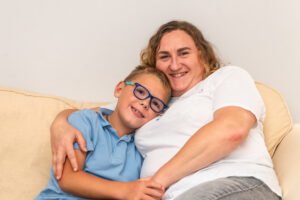
Svitlana Semiamista – “Lana” to her friends in Cumbria – managed to leave Ukraine’s capital, Kyiv, with her son, Vov, who was then aged 7, a few days after Russian troops invaded the country in February 2022. She came to Lazonby that August, staying with a local woman who had volunteered for the Homes for Ukraine scheme.
Lana is now renting a house in the village. She is a lawyer with a PhD in philosophy and worked in Kyiv’s high court as an assistant to a judge. In Cumbria she took a job as a cleaner in a local pub, and now cleans at Bells of Lazonby. “One day I came home from working in the pub,” she recalls. “There was a card with £200, from a neighbour: ‘Maybe this will help with things for the house.’ It’s amazing. People are very kind.” Her fridge and washing machine were bought by neighbours. Cumbria Community Foundation’s Welcome Fund provided £150 each for her and Vov, which was spent on clothes.
Lana plans to stay in Lazonby at least until Vov has finished primary school. He is happy here, as is Lana – when she can put events back home out of her mind. “It’s difficult to work as a cleaner after 20 years as a lawyer. I have more chance of a good job in Ukraine. But I don’t know when the war will stop. I must build my new life, step by step.”
To apply individuals and families must be supported by a recognised professional such as a caseworker, faith leader, support worker, representative of a support organisation or a host family.
The Welcome Fund prioritises relief of hardship where it is not covered by Government support, initiatives which support resettlement including access to education and work, and initiatives which promote community integration and reduce social isolation.
To donate to the Welcome Fund, click here or call 01900 825760
*Names of the Abadi family have been changed
South Lakeland joins global network of ‘age friendly’ cities and communities
Older people living in south Cumbria are thriving, thanks to a dedicated mission to make the area more socially inclusive.
As members of the UK Network of Age Friendly Communities, Cumbria Community Foundation is working with residents and key partners to develop a local approach to becoming an age-friendly borough.
Age Friendly is a global scheme, based on the World Health Organisation’s Age Friendly Communities framework – creating social and built environments that promote healthy and active later lives for all.
Cumbria is defined as having a “super-ageing” population, which means the number of older residents is increasing, while the number of younger residents is decreasing.
A private donor has given the initial capital to Cumbria Community Foundation to establish Age Friendly South Lakeland and employ an Age Friendly coordinator for a two year period. Further funding was also received from the Morecambe Bay CCG Population Health Fund.
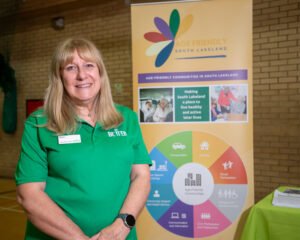
Katie Gatt’s new role as Age Friendly coordinator will see her engage with the community, raising awareness of the opportunities, events and activities on offer. She also works with older residents to shape the community, identifying where there might be gaps.
Katie said: “I’m really looking forward to embracing this new role. Working with our older residents is a real honour, they have so many interesting stories to tell. It’ll be great to be able to help make their futures a little easier”.
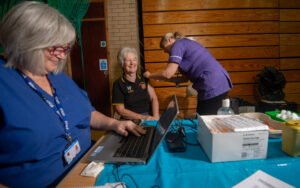
When setting up an Age Friendly community, the first six months involves direct engagement with the people of all ages who live there, to identify priorities and create an action plan. In South Lakeland a steering group has been set up, to ensure it is driven by the very community it is creating.
As part of the scheme, there are other opportunities to get grant funding for smaller and larger initiatives.
October 1 was International Day of Older Persons and, to coincide with that, an Age Friendly Festival was held in Kendal Leisure Centre.
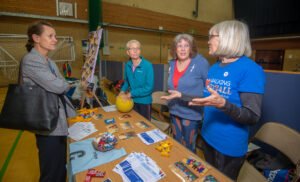
Organisations and partners were invited to network before the doors opened to the public between 11.30am and 3pm.
The festival showcased what is on offer in the South Lakeland area, helping signpost people to the different relevant agencies and gave visitors the chance to try their hand at activities such as walking netball, Boccia, New Age Kurling, Swimming and much more.
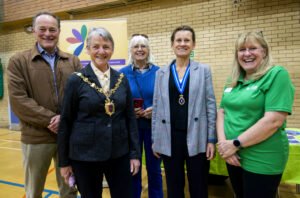
More than 20 organisations attended with representatives from Active Cumbria, Kendal Library, Carer Support South Lakes, Age UK South Lakeland along with Mayor of Kendal Julie Dunlop and the High Sheriff of Cumbria, Samantha Scott.
West Cumbrian engineering firm celebrates £100,000 of grants to local good causes
Whitehaven-based Shepley Engineers, which celebrates its 75th birthday this year, set up its Shepley Group Fund with Cumbria Community Foundation in 2011. Since then, the fund has awarded grants totalling £105,910 to 72 different organisations, mostly in West Cumbria.
The grants have helped thousands of local children and adults supported by smaller, grassroots charities and community organisations covering homelessness, substance abuse, physical and mental health, disability, arts, sport, the environment, education, youth social action, social inclusion and community development.
The latest three grants, awarded this summer to The Vulture Club, Team Evie and The Windmill Trust, sent the Shepley Group Fund’s award total over the £100,000 mark, and are typical of the grassroots work the group, which consists of Shepley Engineering and its subsidiaries West Cumberland Engineering and PPS Electrical, wants to support.
The Vulture Club in Whitehaven offers creative arts and a place to meet in a safe and fun setting to support people recovering from addiction or trauma. Its £2,000 grant will help with the rent at its new premises in Tangier Street.
West Cumbrian charity Team Evie supports sick children and their families when they are in hospital in Cumbria and the North East, at home after hospital, or in need of bereavement support. Its £2,000 grant will go towards salary costs of its newly developed peer support service.
The Windmill Trust supports children and young people in the Wigton area who have encountered adverse childhood experiences and who are not able to access statutory support. Their £2,000 grant will expand their creative therapy services into the wider West Cumbria area.
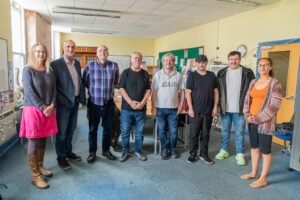 David Henderson, Nuclear Business Manager at Shepley Engineers, visited The Vulture Club with Cumbria Community Foundation’s Director of Programmes & Partnerships, Jenny Benson, to see the impact the company’s grants make on the organisations, and the people they support.
“It was great to visit the Vulture Club, meet its co-ordinator Kelly, and talk to the people who are actually benefiting from using the facility and from the support they get from the team who run it,” said David.
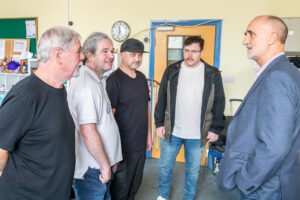 “It really brings it home how much initiatives like this are needed in our communities, and the real difference they make to people’s lives.
“Along with celebrating our 75th anniversary this year, surpassing £100,000 of grants awarded, is another milestone worth celebrating. We target the smaller grassroots groups, as these are the ones who often struggle to find the funding they need to provide vitally important support to local people. We are proud to be able to celebrate this milestone, and look forward to continuing to work with the Cumbria Community Foundation long into the future.”
The Shepley Group Fund was set up as an endowed fund with Cumbria Community Foundation in 2011, with an initial lump sum of £89,000, to which further donations have been added to over time. This money has been invested and the earnings have been used to award grants to local charitable groups. This has resulted in £105,910 of grants being awarded – but there is still £171,000 of capital funding which continues to be invested. The benefit of an endowed fund is that it is permanent and can benefit communities over the longer term.
David Henderson said: “I thoroughly recommend setting up an endowment fund with Cumbria Community Foundation. They have a professional team and are well governed with a structured approach to providing support to disadvantaged people.
“We are continuously adding to our endowment fund, and it is consistently growing and will go on in perpetuity supporting people and groups in our communities who need it. It is a great way to make a difference over the long term, support those most in need, and deliver a real positive impact to people’s lives.”
Jenny Benson said: “The Foundation is delighted to support Shepley’s charitable giving over the last decade. They are truly leading the way in terms of their generous commitment to local communities, making significant financial investment in small, local charities and committing to long-term, flexible funding. We know just how much this means to the charities and community groups benefiting from these grants.”
Shepley Engineers, based in the Old Town Hall in Whitehaven’s Duke Street, is Sellafield’s longest-serving continuous contractor, and this year celebrates its 75th anniversary. In 1948 it began work on stainless ducting on the Windscale Piles, and was involved in the commissioning of the world’s first commercial nuclear power plant, Calder Hall.
More recently the group have been working on Britain’s next generation nuclear power station at Hinkley Point C, and its specialist restoration division has led on the iron restoration of Elizabeth Tower (Big Ben) and the Houses of Parliament.
Fibrus grants help to tackle ‘digital poverty’ in Cumbria
Ten community groups in Cumbria have received grants to help vulnerable people access the internet and digital technology.
The funding has come from Full Fibre broadband company Fibrus, which launched the Fibrus Community Fund Cumbria in April in partnership with Cumbria Community Foundation.
Fibrus is donating £60,000 this year, across Cumbria, to tackle digital poverty, with a particular focus on those aged 18 and under and the over-60s. This coincides with Fibrus rolling out high-speed broadband connections to homes across the county.
 Carlisle Sight Support is a charity supporting the visually impaired across north Cumbria with satellite groups in Brampton, Dalston and Longtown.
The group received funding to buy Echo Dot smart speakers and run training and awareness-raising sessions, helping the visually impaired make the most of the technology.
Manager Mark Costello said: “We were looking at technological solutions and the Fibrus Community Fund gave us the impetus and the money to go ahead and purchase the items.
“These speakers make such a difference. Visually impaired people can use them to listen to music, turn lights and appliances on and off and to access talking books and newspapers and it can be vital in helping them stay connected to family and friends.”
Dean Jooste, Stakeholder Director at Fibrus, visited the group for its monthly lunchtime social get together and helped demonstrate the smart speakers.
“They soon got the knack of asking questions and were quizzing Alexa about the weekend’s weather, Carlisle United and rugby internationals.
Michelle Lynam enjoyed her first chat with Alexa. “It was quite daunting at first but I’ll get used to it. I like rugby so it was good to be able to get information quickly about the world cup.”
Dean said: “We saw a real need in Cumbria to address digital poverty, and through the Fibrus Community Fund, we heard from some fantastic organisations. By enabling those in need to access computers and online services, we can boost the opportunities of youngsters and improve the quality of life for older people.
“It is important to us that while we’re bringing the people of Cumbria high speed connections, we continue to invest money to support our communities.”
Jenny Benson, director of programmes and partnerships at Cumbria Community Foundation, added: “The grants provided by the Fibrus Community Fund can be life changing.
“They can pay for devices that help young people with schoolwork or to apply for their first job, for example, and enable older people to access online services and stay connected with family and friends through Skype or Zoom.”
The Fibrus Fund has given to 10 organisations in its first round of grants including Friends of Shap School; Drop Zone Youth Projects in Barrow; Hallbankgate Hub and the Carnegie Theatre Trust.
Fibrus is transforming digital infrastructure by investing more than £700 million to bring full-fibre broadband to towns and villages across Northern England and Northern Ireland.
The company recently announced two new connectable locations in the local area as part of its ongoing rollout; Aspatria and Workington, on top of the first homes in Staveley connected under the Government’s Project Gigabit contract earlier this year.
Fibrus has demonstrated its support for Cumbrian communities this year by launching a fund for grassroots clubs across the regions it serves, which invests over £30,000 in boys’ and girls’ sport.
The company also sponsored the new Fibrus 100 girls’ cricket league in partnership with Cumbria Cricket and announced a sponsorship with Workington Town Rugby League in July, with the team’s home ground renamed to the Fibrus Community Stadium.
The second round of funding for the Fibrus Community Fund has opened for applications today, Monday, August 21, closing on November 10, and organisations from across Cumbria are encouraged to apply.
Event celebrates success of young West Cumbrian entrepreneurs
Seven inspiring young West Cumbrians, who started their own businesses, have been praised for their nous and ingenuity. All seven took part in Positive Enterprise, an initiative from Cumbria Community Foundation and the Centre for Leadership Performance to help young people from Allerdale and Copeland go into business.
Their achievements were recognised at a celebratory event at Lakes College, Workington, to mark the end of the first year of the programme.
All participants, aged 15 to 25, have received a £1,000 grant, mentoring from an experienced businessperson and performance and leadership development.
 Aiden Thompson, 15, from Whitehaven, collected an extra £1,000 after judges were impressed by his presentation. His business, Cumbria Coastal Crafts, produces framed pebble art and customised laser engraved products.
He said: “I saw a gap in the market and it has been very successful. Positive Enterprise helped me take it from an idea to a business. The grant paid for equipment and the mentoring helped me find the best ways to sell the products and explore potential opportunities.”
Rachel McCartney, 24, of Holmrook, had the most ambitious idea. She has set up McCartney Sustainable Solutions to recycle food waste into compost, fertiliser and biofuel, and is in the process of raising £1.2m. She said: “In Cumbria, we are paying £100 a tonne to dispose of food waste in landfill. I thought there were better ways of dealing with it.”
Lennon Glass, 15, from Cockermouth, trades as Artify making customised and bespoke wool rugs. He said: “I do school work on weekdays and make rugs at the weekend. All the rugs are from UK-sourced wool and profits go to the WI.”
Bethany Goodall, 24, of Workington, established the Lake District Academy of Theatre Arts to provide affordable musical theatre workshops. She said: “Having one-to-one sessions with a mentor gave me a real insight into how to sell my idea. I wouldn’t have had the confidence to do that.”
Three of the participants could not be there in person but told their stories through pre-recorded presentations.
Josh Coombe, 15, from Whitehaven, used his grant to buy printing equipment for JC Stitch and Style, which offer fully customisable clothing and mugs.
Luke Eilbeck, 18, of Wigton, has set up Mad4Kit selling vintage secondhand football memorabilia while studying for his A-levels.
And Jack Fleming, 19, from Whitehaven, runs JF Entertainment, a mobile DJ service, which has expanded thanks to Positive Enterprise.
The guest speaker was Sally Phillips, founder of Chimney Sheep in Workington, which makes draught excluders from Herdwick wool. She offered advice and encouragement to the participants.
“I’ve always taken it one step at a time, and now I employ 14 people with a turnover of £2.2m,” Sally said. “It’s not always been fun and games, things do go wrong, but I just ride the wave. I hope you all have adventures as well.”
 David Beeby, Chair of Cumbria Community Foundation, added: “We’ve heard different stories from different personalities with different approaches. Every one of them was very impressive. I wish the young entrepreneur all luck in what they’re doing. Business is hard work but you need luck as well.”
Cumbria Community Foundation hopes to repeat Positive Enterprise in 2024.
The programme is funded by the Cumbria-based property developer Brian Scowcroft with match funding from Sellafield Ltd as part of its Transforming West Cumbria programme, the Low Level Waste Repository Ltd (LLWR), Well Whitehaven, Morgan Sindall and Kaefer.
Samantha McKenzie, of Nuclear Waste Services, thought it money well spent. She said: “One of the priorities for the LLWR as a funder is to help young people to develop their skills and knowledge and to be the best they can be. Every single one of them has done that.”
And Laurie Crayston, an entrepreneur who acted as a mentor to Josh Coombe, said: “I like to think that I gave him useful pointers. Every issue he encountered was something I’d had to deal with my own business at some point.”